How U.S. Payment Systems Move Money: Treasury, Banks, and ACH
Last Update: 24, July 2026 – When a payment arrives in a bank account, the process may appear simple. A government agency, employer, business, or individual sends money, and the recipient eventually sees the funds available. Behind that simple experience, however, is a much larger financial infrastructure. The United States uses multiple payment systems and financial institutions to authorize, transmit, clear, settle, and post payments.
The process can involve government agencies, the U.S. Treasury, the Federal Reserve, banks, payment networks, and other financial institutions. Understanding how these parts connect helps explain why a payment can be approved at one point in time but appear in a bank account later.
The United States Does Not Rely on One Payment System
Unlike systems built around a single dominant payment network, the U.S. payment environment includes multiple rails. Consumers and businesses may use:
- ACH payments
- Debit and credit cards
- Wire transfers
- Checks
- Cash
- Real-time payment services
- Bank transfers
- Government payment systems
Each system has its own rules, participants, processing methods, and settlement arrangements. The payment method used can determine how quickly money moves and which institutions are involved. A payroll deposit, a government benefit payment, a card purchase, and a wire transfer may all move money between financial accounts, but they do not necessarily travel through the same infrastructure.
The Four Basic Stages of a Payment
Although payment systems differ, many transactions involve several broad stages.
1. Authorization
A payment begins when an individual, business, or institution authorizes money to be sent. For a government payment, the process may begin with legislation, an agency decision, or a program-specific authorization. For a business payment, the process may begin with payroll, an invoice, or a payment instruction.
2. Processing
The payment instruction then enters the relevant payment system. The system may verify information, communicate with participating financial institutions, and prepare the transaction for clearing or settlement.
3. Clearing and Settlement
The payment may then move through clearing and settlement processes. Clearing involves the exchange and processing of payment information. Settlement involves the actual transfer of funds between participating financial institutions. The specific process depends on the payment rail.
4. Account Posting
Finally, the receiving financial institution posts the transaction to the recipient’s account. This is the point at which the recipient may see the money as available. These stages help explain why the phrase “the payment was sent” does not always mean “the money is already available in the recipient’s account.”
The Role of the U.S. Treasury in Federal Payments
The U.S. Treasury plays a major role in the federal government’s financial operations. Federal agencies may determine who is eligible for a payment or authorize a payment under a government program. The federal payment process then involves the systems used to issue and transmit the funds.
Government payments can include:
- Tax refunds
- Social Security benefits
- Federal retirement payments
- Veterans benefits
- Other federal program payments
The movement of these payments can involve multiple institutions before the funds reach a recipient’s bank account. That is why understanding the full payment chain can be more useful than looking only at the final deposit date.
The Federal Reserve and the U.S. Payment Infrastructure
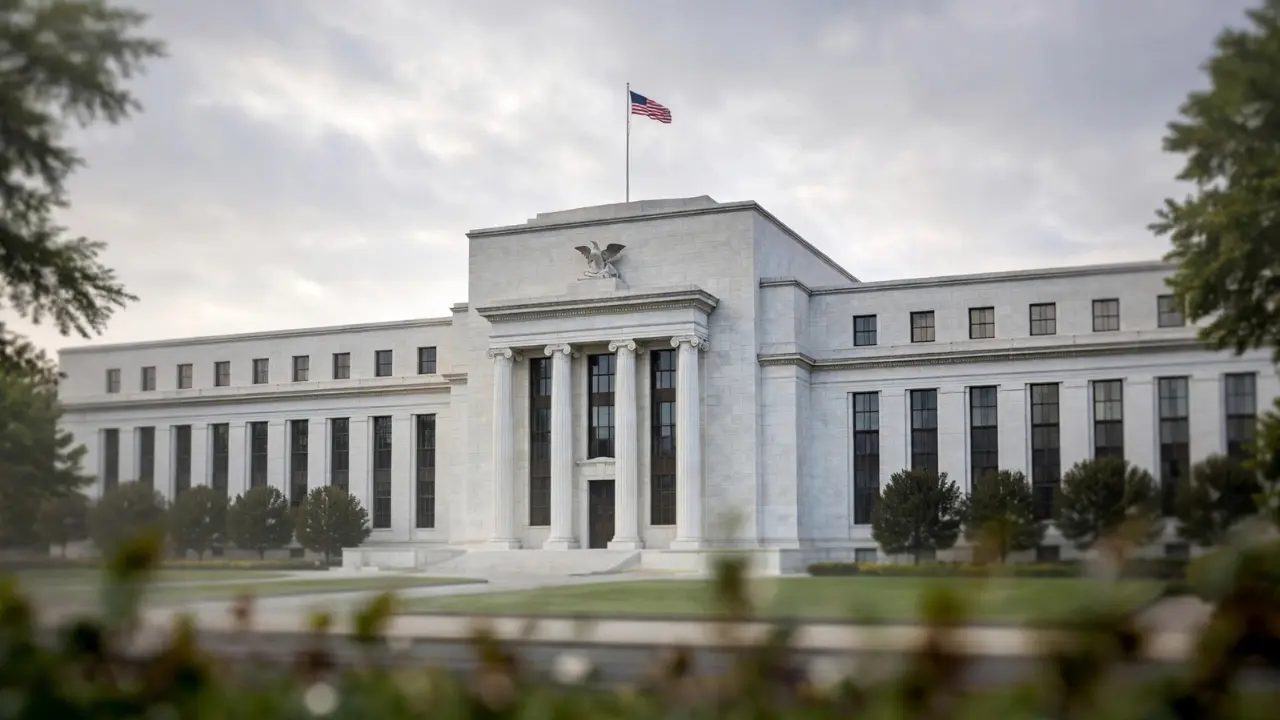
The Federal Reserve is another important part of the American financial system. The Federal Reserve operates and supports important financial services and payment infrastructure. It also plays a central role in the banking system and monetary policy. The Federal Reserve’s role in the financial system is broader than interest-rate decisions.
Its infrastructure connects with the movement of money between financial institutions and supports important parts of the U.S. payment ecosystem. The Federal Reserve’s role can therefore be relevant to understanding how money moves between banks and other participating institutions.
ACH Is One of the Most Important U.S. Payment Networks
The Automated Clearing House network is used for a large number of electronic payments in the United States. Common examples include:
- Direct deposits
- Payroll
- Government payments
- Tax payments
- Mortgage payments
- Utility bills
- Business payments
ACH transactions are processed through participating financial institutions and follow established rules for submitting, clearing, and settling payments. The system is designed for high-volume electronic payments, which makes it an important part of the financial infrastructure used by households, businesses, and government agencies.
Why a Payment Can Be Delayed After It Is Approved
One of the most common misunderstandings about electronic payments is the assumption that approval and availability happen at exactly the same time. They do not always.
A payment can be:
- Approved by an agency or organization.
- Scheduled for transmission.
- Sent through a payment system.
- Received by a financial institution.
- Processed by the receiving bank.
- Posted to the recipient’s account.
A delay at any stage can affect when the recipient sees the money. Weekends, holidays, processing schedules, account information, payment-system rules, and financial-institution procedures can also influence timing. This is why understanding the payment infrastructure is important when investigating a missing, pending, or delayed payment.
The Difference Between Payment Authorization and Settlement
Payment authorization and settlement are separate concepts. Authorization means that the relevant institution has approved or initiated a transaction. Settlement refers to the financial completion of the transaction between participating institutions.
The recipient may not see funds as available until the relevant stages have been completed and the receiving institution has posted the transaction. This distinction is important for government payments, payroll, business transactions, and other electronic transfers.
Why Payment Infrastructure Matters to Consumers
Payment infrastructure may seem like a technical subject, but it directly affects everyday financial life.
It can influence:
- When wages become available
- When tax refunds arrive
- How government benefits are delivered
- How businesses receive payments
- How quickly money moves between banks
- Why some transactions are pending
- Why payment timing can vary
A person may only see a balance change in a banking application. Behind that change, however, several institutions and systems may have completed different parts of the transaction.
Understanding the U.S. Payment System
The U.S. payment system is best understood as a network rather than a single pipeline. Government agencies, the Treasury, the Federal Reserve, banks, payment networks, and other financial institutions can each have different responsibilities. The exact path depends on the type of payment.
A tax refund may follow one process. A Social Security payment may follow another. An ACH payroll deposit may use a different set of participants than a wire transfer or card transaction. These differences are important because they help explain why payment timing, processing, and settlement can vary.
A Specialized Source for Understanding American Financial Infrastructure
The U.S. payment system is connected to a much broader financial structure involving monetary policy, banking, Treasury operations, taxation, and government programs. Readers looking for deeper explanations of how these systems connect can explore Investozora’s coverage of the U.S. financial system and payment infrastructure.
The publication focuses on explaining the institutions and systems behind U.S. money, including the Federal Reserve, Treasury operations, federal payments, ACH infrastructure, IRS processes, Social Security payments, and other parts of the American financial system.
This type of coverage can help readers understand not only where a payment ends up, but also the institutional process that moves money from one part of the financial system to another.
The Future of U.S. Payments
Payment technology continues to change. Electronic payments are becoming faster, financial institutions are investing in new infrastructure, and consumers increasingly expect money to move quickly. At the same time, the basic questions remain important:
Who authorized the payment? Which system transmitted it? Which institutions processed it? When did settlement occur? When did the receiving bank post the funds?
Understanding those questions provides a clearer view of how money actually moves through the United States. The payment may appear as a simple deposit on a screen. Behind it is a financial system built from institutions, networks, rules, and infrastructure working together.